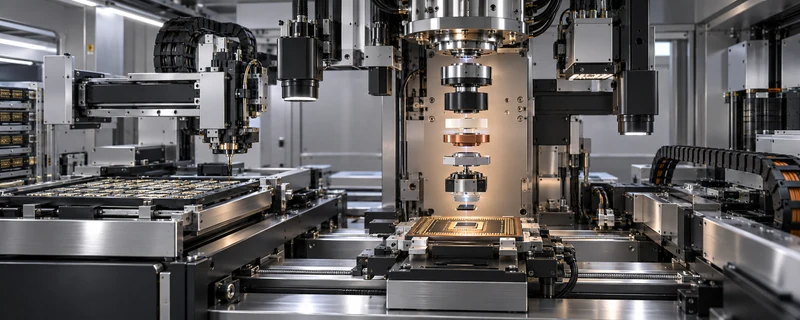
3D Technical Visualization
Animations of operating principles · Structural cutaways · Process visualization
Con-Ray provides industrial 3D visualization, technical animation, and presentation services across different settings, helping companies across industries clearly communicate complex equipment structures, process mechanisms, and system interactions.



We create technical and brand content, then help put it to work across digital channels, sales settings, exhibitions, and corporate showrooms.
Animations of operating principles · Structural cutaways · Process visualization
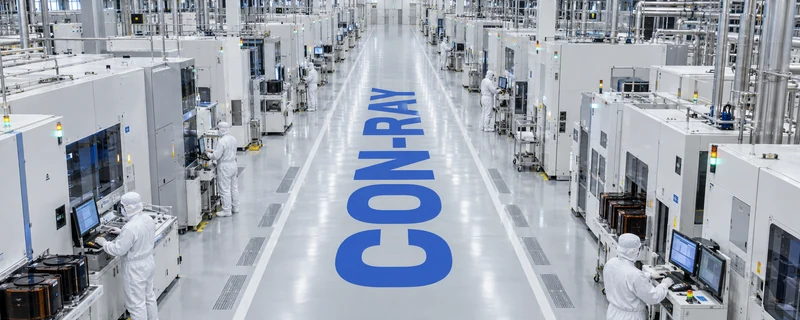
Corporate films · Product films · Launch content
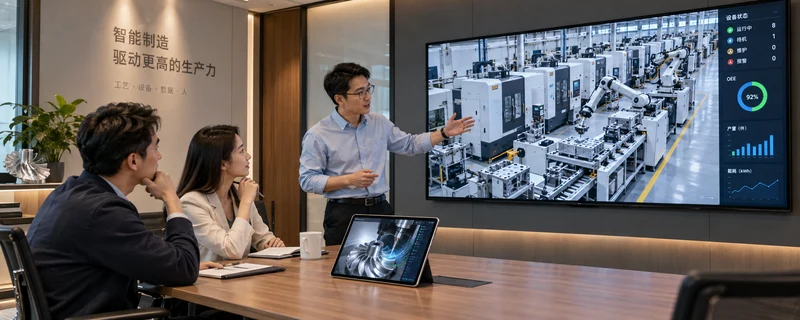
Corporate websites · Sales presentations · Interactive product displays
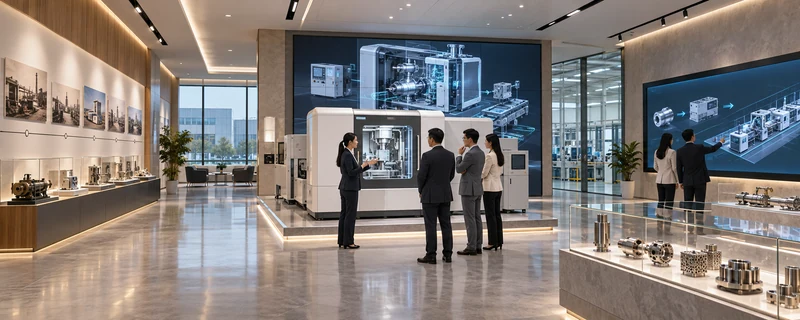
Content planning · Spatial design · Exhibition and showroom delivery
Using cutaways, exploded views, transparency, and animation, we reveal relationships that conventional product imagery cannot readily show.
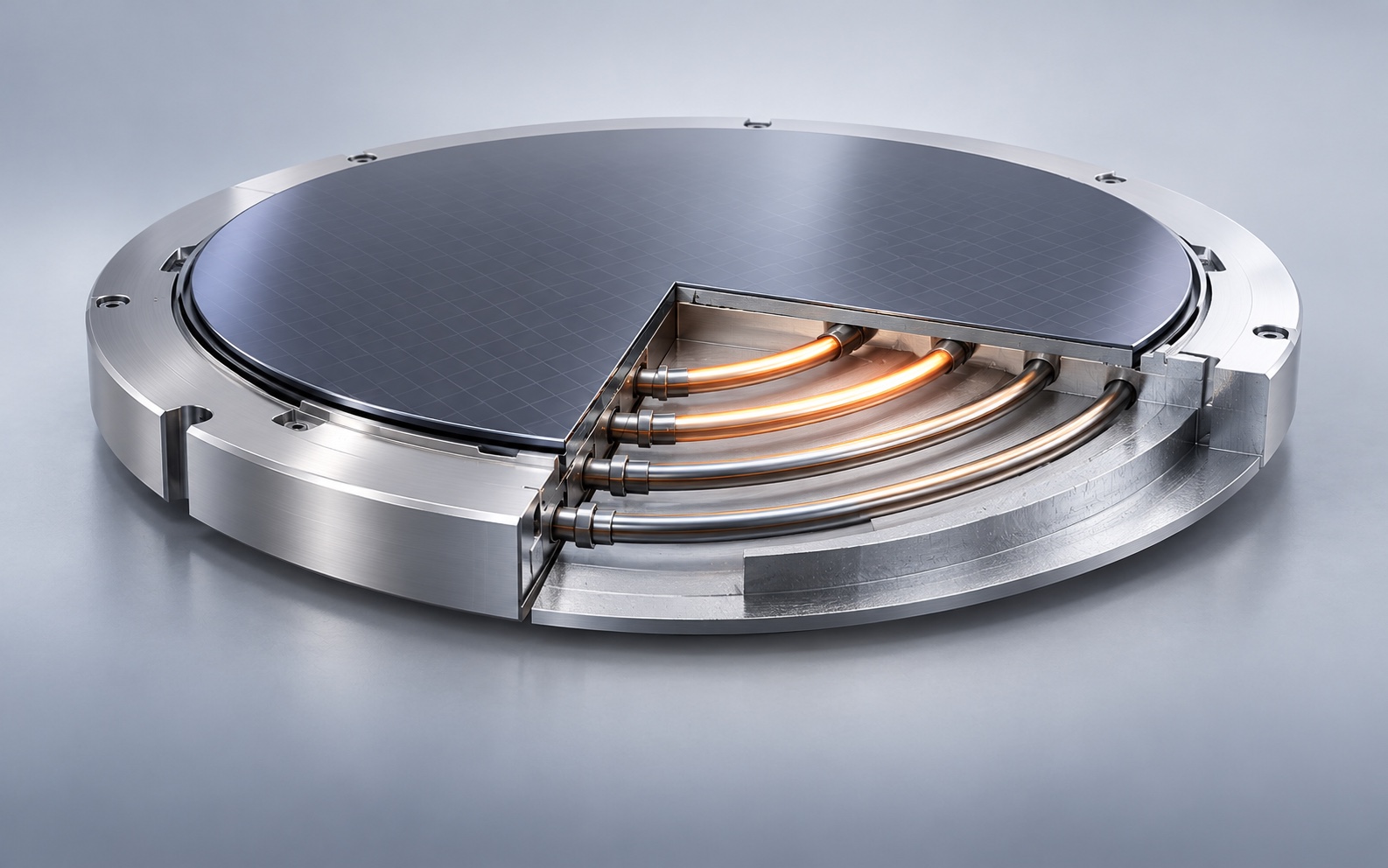
Visualize material changes and the mechanisms behind process steps.
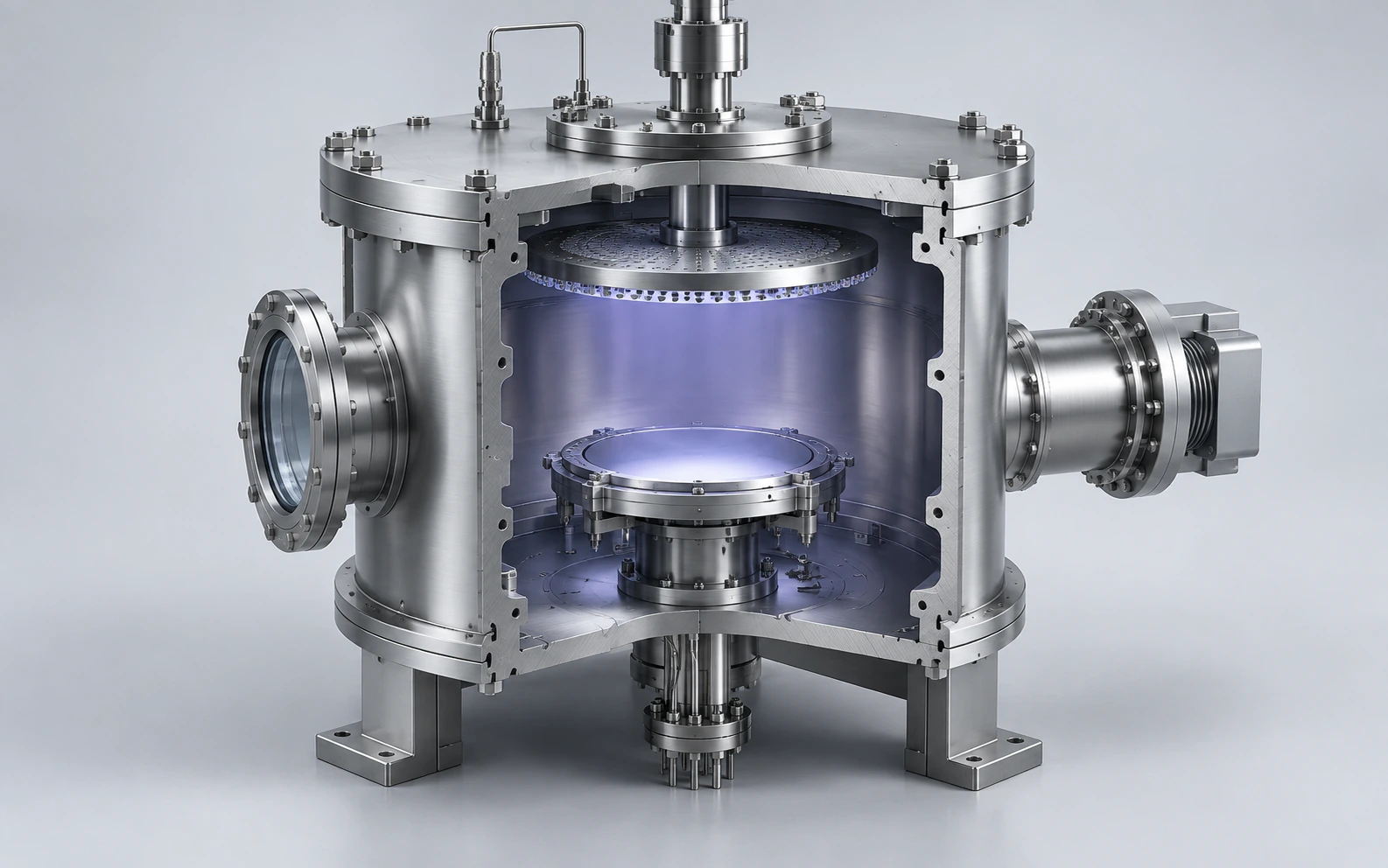
Use cutaways and exploded views to show internal components and assembly relationships.
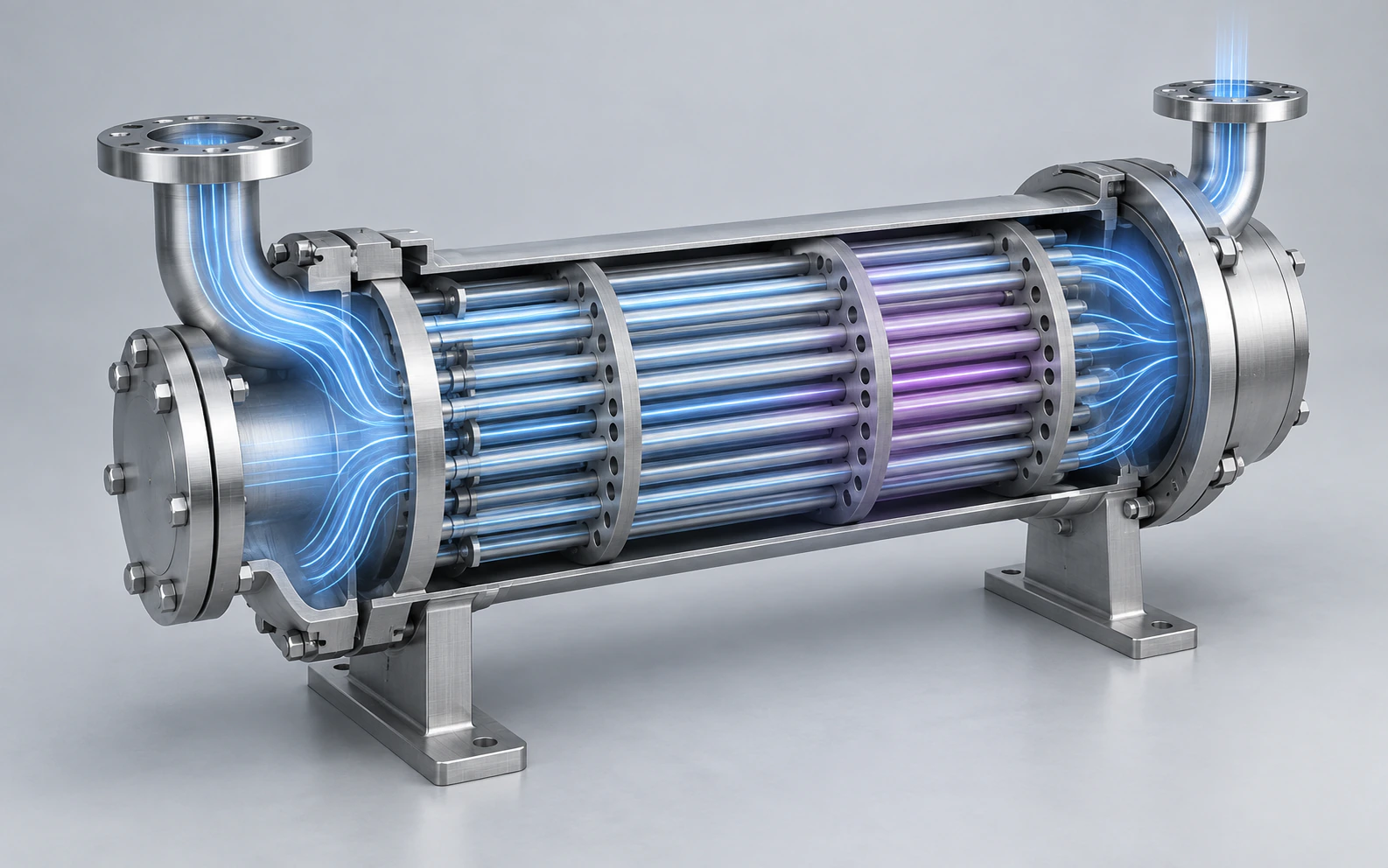
Trace media pathways and illustrate the movement of heat and energy.
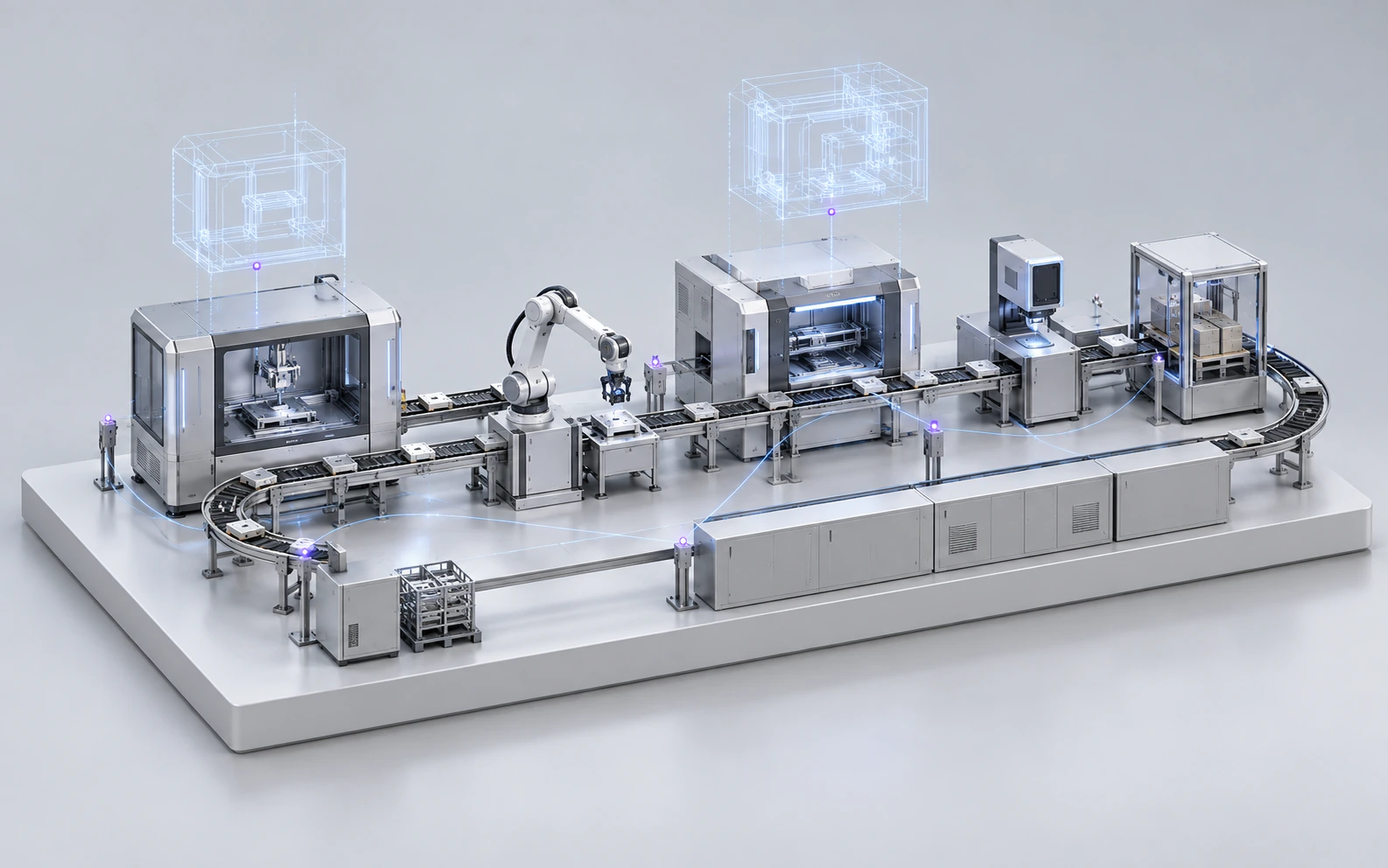
Show equipment hand-offs, material transfer, and coordinated operations across a production line.
Our team brings 15 years of semiconductor industry experience to this focus. We visualize semiconductor equipment, advanced packaging, and fab systems—from individual components and process steps to equipment coordination across a line.
Show critical components, interfaces, and assembly relationships.
Present material treatment, process sequences, and operating principles.
Show how equipment, process stages, and material handling work together.
Coating, exposure, development, and pattern transfer.
Gas delivery, plasma processes, and material removal.
Film formation, thermal treatment, and material changes.
Cleaning, planarization, measurement, and inspection.
Chambers, critical components, interfaces, and assembly.
Wafer pick-and-place, positioning, and chamber-to-chamber transfer.
The interaction of gas flow, pressure, temperature, and RF systems.
Redistribution layers, interconnects, and bonding processes.
Probe testing, final testing, and device sorting.
The coordination of equipment, automated transport, and facility systems.
We begin with your technical materials and discussions with your team. Content planning, visual production, and review checkpoints keep the work grounded in the information you approve.
Review technical materials and agree on the product features and messages to present.
Organize the story around its audience and intended setting.
Use 3D modelling and animation to present structures and processes.
Check the visuals and technical information with your team at agreed stages.
Prepare the appropriate versions for the agreed channels and presentation settings.
A designated information security lead oversees the handling of confidential materials, review of sensitive content, and treatment of project files at handover.

Agree on the materials, participants, and permitted uses. Sign an NDA in line with project requirements.
Use confidential materials only for the agreed project and limit access to those who need it. Seek permission before involving external collaborators.
Separate public and confidential information. Review sensitive visuals, text, and models with your team before external release.
Retain, return, or delete materials as agreed. Do not use them in case studies, promotional work, or model training without prior written permission.
We do not publish or repurpose your confidential materials without prior written authorization.
Whether you are preparing a product launch, a sales presentation, a website, or a showroom, we welcome a conversation about your project. We can begin with one product, one process, or one important presentation.